


Restore Comfort & Confidence with Eyelid Surgery in Northwest Georgia
Eyelid surgery, also called blepharoplasty, is a safe, effective eyelid operation that improves the eyelid’s appearance and function by removing excess skin, fat, or muscle. Whether you have droopy eyelids that impair your vision or want to restore a more youthful look, this procedure can help you achieve natural, refreshed results.
At Professional Eye Surgery Center in Dalton, GA, our board-certified surgeons combine advanced techniques with compassionate, personalized care. We’re proud to provide expert eye solutions tailored to your unique needs.
Schedule a consultation today to learn if blepharoplasty is right for you!
Why Do Eyelids
Droop or Sag?
As we age, skin around the eyes loses elasticity and the muscles that support the eyelids weaken. The upper eyelids may start to droop, sometimes blocking part of your vision. To compensate, the eyebrow muscles work harder to lift the skin, which often causes eye strain, headaches, and deep forehead wrinkles.
Other factors that can contribute to droopy eyelids include:
- Underlying medical conditions (e.g., diabetes, thyroid disorders, neurological diseases)
- Excessive sun exposure, which accelerates skin elasticity loss
- Injury or trauma
- Bell’s palsy
- Smoking
Common symptoms of droopy eyelids include tired-looking eyes, peripheral vision difficulties, double vision, excessive tear production, and eye strain.

Blepharoplasty at Professional Eye Surgery Center
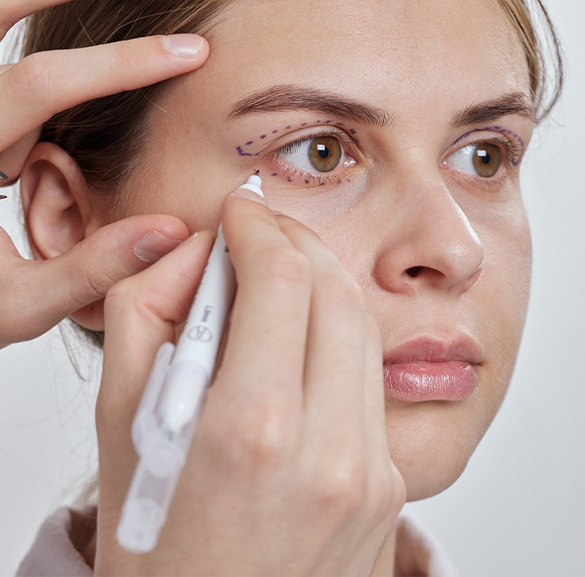
Blepharoplasty is the surgical treatment for upper and lower eyelid sagging. Our eye surgeons specialize in both upper and lower blepharoplasty. Upper eyelid surgery commonly addresses droopy lids and excess skin that obstructs vision. Lower eyelid surgery is generally performed to reduce puffiness, under-eye bags, and sagging skin for a youthful, rejuvenated look.
Functional upper eyelid blepharoplasty is covered by insurance because the sagging skin can impact your vision; however, both non-functional (cosmetic) upper eyelid and lower eyelid blepharoplasty are typically not covered by insurance because vision is not affected. Our eye surgeons specialize in both upper and lower blepharoplasty.
For blepharoplasty and all other eye procedures, Professional Eye adheres to the highest surgical standards. Our highly trained eye surgeons and skilled, licensed personnel will prioritize your safety and individual needs every step of the way.
What You Need To Know About Eyelid Surgery
Click through each tab to learn more:
Preparing for your eyelid operation starts with a comprehensive eye exam. Please be prepared to share your medical history, including any preexisting eye conditions, at your exam appointment. If we determine that eyelid surgery is right for you, we will schedule the procedure, and your eye doctor will give you pre-operative instructions to follow, such as:
- Avoiding blood-thinning medications and supplements
- Stopping smoking
- Removing contact lenses on the day of surgery
- Arranging transportation after your procedure
- Performing additional vision evaluations, if necessary
Blepharoplasty is a straightforward outpatient procedure performed under local anesthetic. We will numb the eye and eyelid area being operated on, so you may feel some pressure or tugging, but no pain. Our anesthesia specialist will also administer oral or IV sedation to help you stay relaxed throughout the procedure.
Here’s what to expect:
- Incision Placement: Our expert surgeons will carefully place incisions along the natural eyelid creases to minimize scarring.
- Tissue Removal/Repositioning: Then we will remove or reposition excess skin, fat, or muscle to achieve the desired results.
- Closure: Finally, we close your incisions with fine sutures to promote proper healing.
Most eyelid operations last 30 to 60 minutes. After a short recovery period at our Dalton surgery center, you can return home the same day
Recovery from an eyelid operation is generally smooth, with most patients healing fairly quickly. To aid healing, keep your head elevated, use ice packs as directed, and follow instructions for prescribed eye drops or medications.
The following timeline is a general representation of what you can expect following your surgery:
- First 1-2 weeks: Swelling, bruising, and even a little asymmetry are common and normal during this time. Within a week, you can typically resume light activities like watching TV or reading. After about 10 days, you should be able to return to work, wear makeup, and resume all normal activities.
- Following weeks and months: You’ll notice gradual improvements as your results settle, revealing a refreshed, youthful appearance and improved vision.
The results of blepharoplasty can last for years, and for many, they are permanent. By following your post-op care plan and attending follow-up visits, you’ll achieve the best possible outcome from your procedure.
While eyelid surgery is generally safe, and our eye doctors exercise extreme caution, it’s important to understand these potential minor complications:
- Swelling
- Bruising
- Dry eyes
- Temporary blurred vision
If you experience those complications and they do not resolve within the first two weeks, please contact us so we can help ease your discomfort. Rare but serious complications can include infection or poor eyelid closure.
At Professional Eye Associates, our board-certified surgeons follow the highest safety standards to minimize risks and help ensure a smooth recovery. Following post-operative instructions will also help ensure a positive recovery process.


Enhance Your Vision and Confidence with Expert Eyelid Surgery
At Professional Eye, our skilled surgeons provide the highest level of care, combining advanced surgical techniques with personalized attention. Our world-class surgery center, conveniently located in Dalton, makes getting eyelid surgery and other specialized eye procedures easier for the communities of Northwest Georgia and southern Tennessee.
Discover how blepharoplasty can help you look and feel your best. Schedule your consultation today.
Frequently Asked Questions About Eyelid Surgery
It can be common, especially as we age, for excess upper eyelid skin to droop and interfere with peripheral (side) vision. If you find yourself lifting your brows or tilting your head to see more clearly, it may be worth an evaluation. An eye exam can determine whether eyelid surgery could help improve your field of vision.
Cosmetic blepharoplasty is performed to improve the appearance of the eyelids, such as reducing puffiness or sagging. Functional blepharoplasty, on the other hand, addresses excess skin that interferes with vision. In some cases, the same procedure can provide both aesthetic and functional benefits, depending on your needs and goals.
Age alone doesn’t determine whether you’re a candidate for eyelid surgery. Many patients in their 60s and 70s choose blepharoplasty to improve both vision and appearance. Overall eye health and general medical history are more important factors. A consultation can help determine if the procedure is a safe and appropriate option for you.
In some cases, insurance may cover eyelid surgery if it is considered medically necessary, such as when excess skin significantly blocks vision. This typically requires specific testing and documentation. Our team can guide you through the evaluation process and help you understand financial coverage and any potential out-of-pocket costs.
Most patients can resume driving once their vision is clear and they feel comfortable, often within several days after surgery. However, recovery times can vary, and it’s important to follow your surgeon’s specific instructions. You should avoid driving until you’re no longer taking medications that could affect your alertness or reaction time.